• Category Archives Classes
  • These posts pertain to my classes

  • Tis the Season…

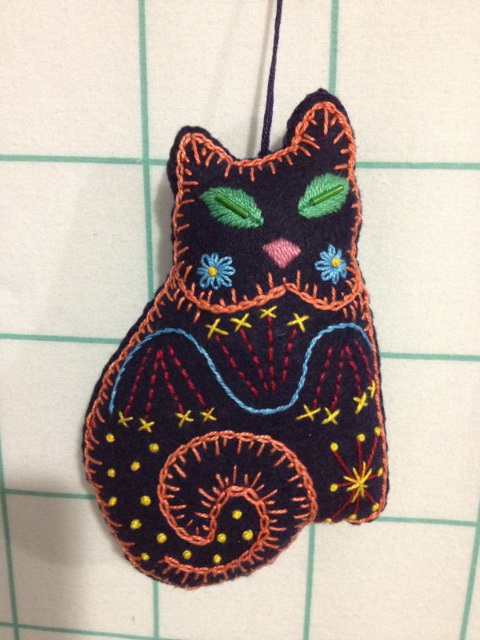
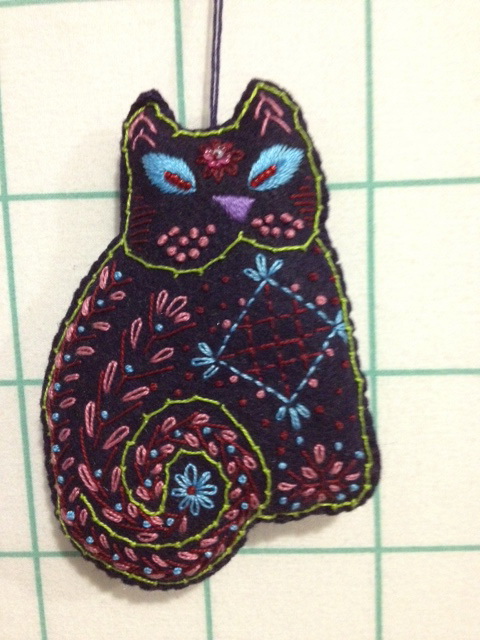
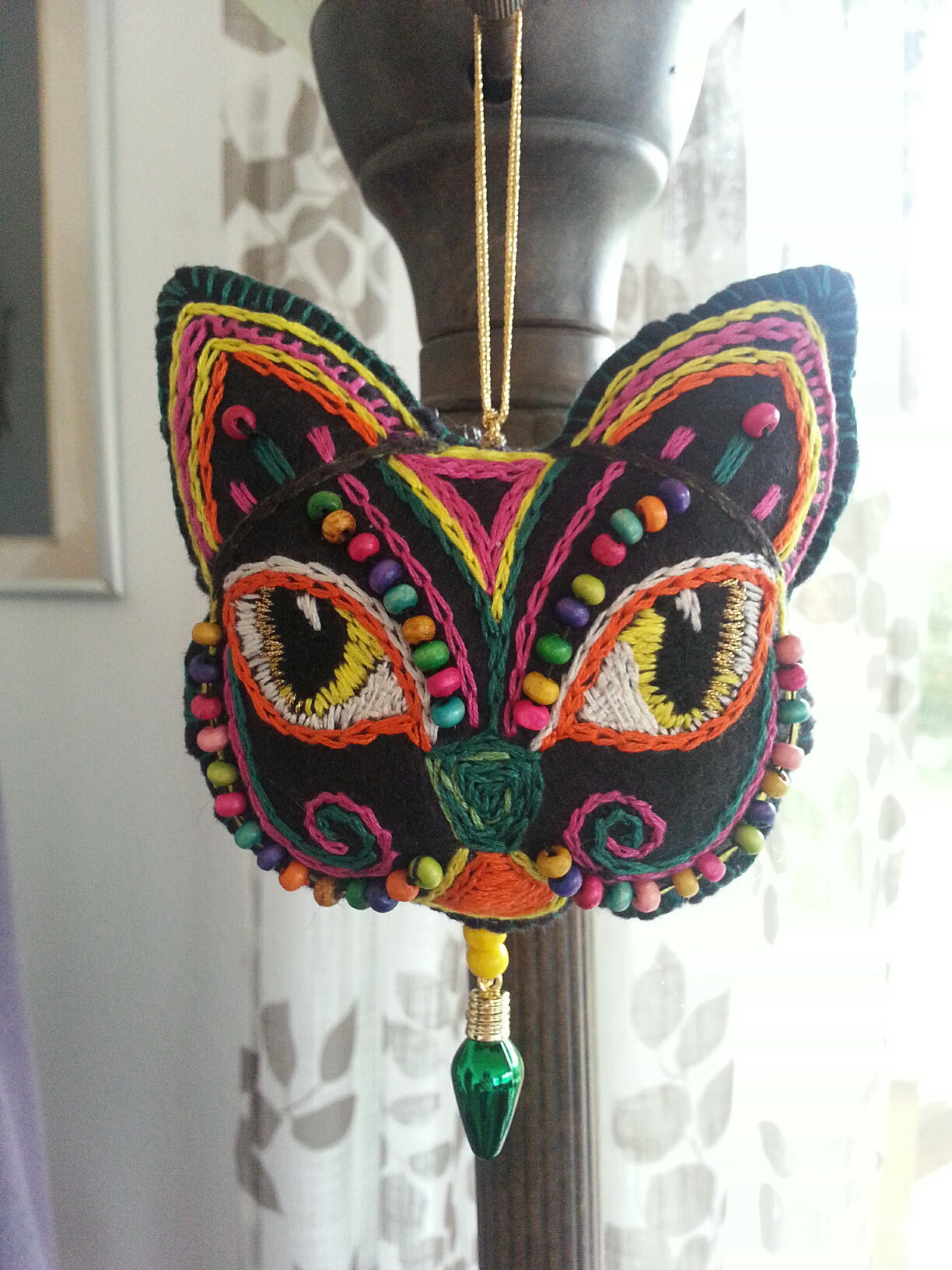
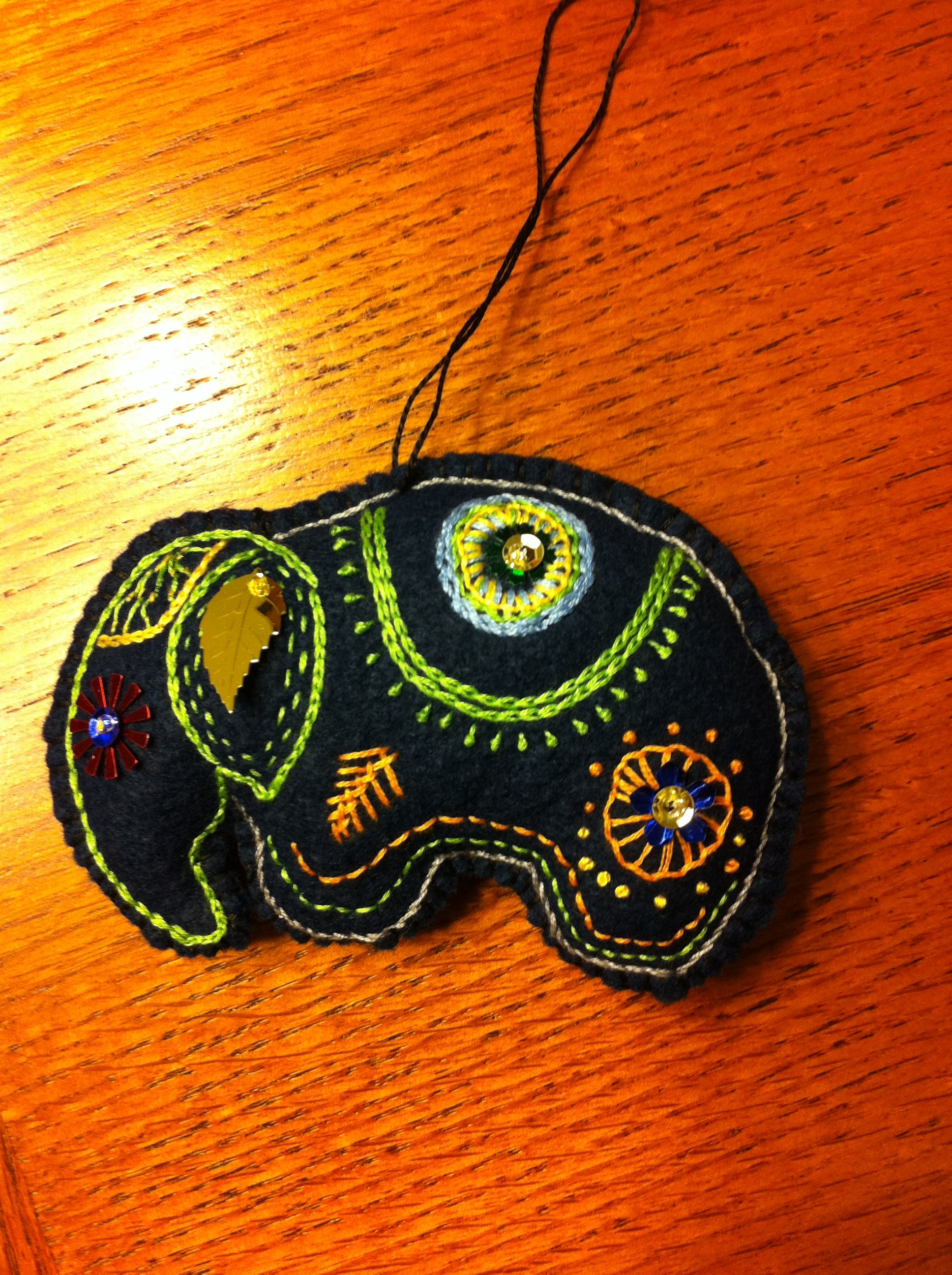
    Have Needle – Will Stitch… I am passionate about hand embroidery, not a shred of embroidery floss goes to waste in this house.  Among my favorite projects are these little embroidered and stuffed felt ornaments; I crank them out like clockwork. I also love teaching them as a class and do so on a fairly regular basis; I had several classes this fall (though one was cancelled due to lack of enrollment).

    My own story of how I got started in this goes back 30 years to when a Pier 1 Import store opened in my home town of Pacific Grove California. I’d always loved import stores – the scents and exotic treasures… It was around Christmastime and they were selling these lovely embroidered ornaments from India for around $6 each – a king’s ransom for someone on a budget of $100 for ALL my Christmas shopping (and I would have wanted more than one of these on my tree). My grandma taught me to embroider when I was a child and I figured I could make some of these myself. My first ones were birds, what could be more appropriate to perch in a tree than birds? Ultimately, I ended up with a whole menagerie, the bird population was starting to get out of control so I embroidered a couple of cats to keep them in check and then the cats needed something more than just the birds so I created some fish. Now I have parrots, peacocks, owls, Thunderbirds, flying elephants,  even some Day of the Dead flowered skulls… and I’m nowhere near done yet, I’m still designing others and I’m thinking of publishing these as patterns.

    There is an adage about not judging until you have walked a mile in someone’s shoes; the irony I learned from my exploration into making these ornaments is that there is no way I would or could make and sell one for $6, the materials alone to make one of these typically runs about $3+ and that’s if I buy the cheapest acrylic craft felt out there (I like the wool felt at about $15 per yard); add 6-8 colors of embroidery floss, fiber fill, beads, sequins and jingle bells or tassels and about 4-6 hours of labor… you can do the math.

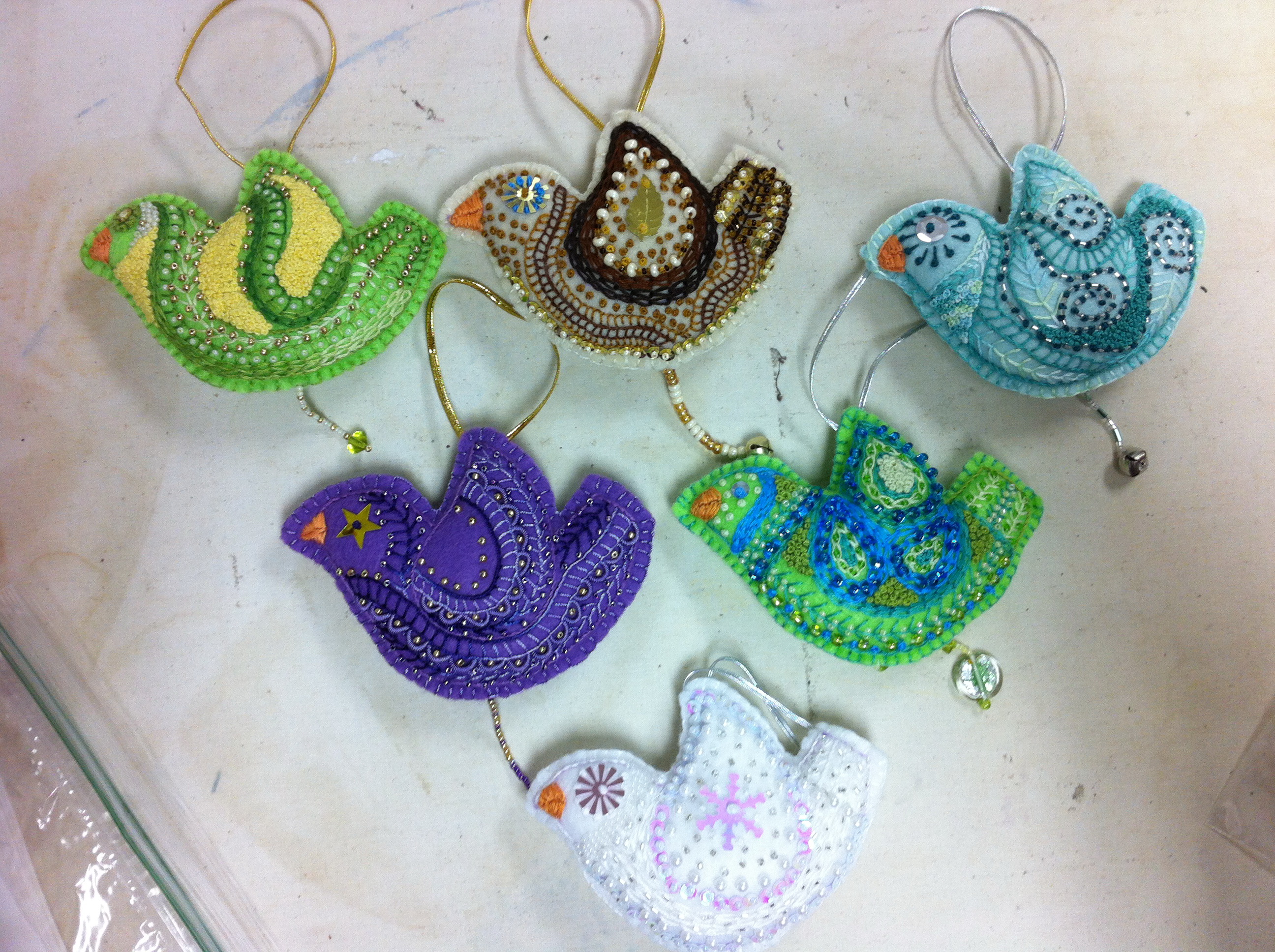
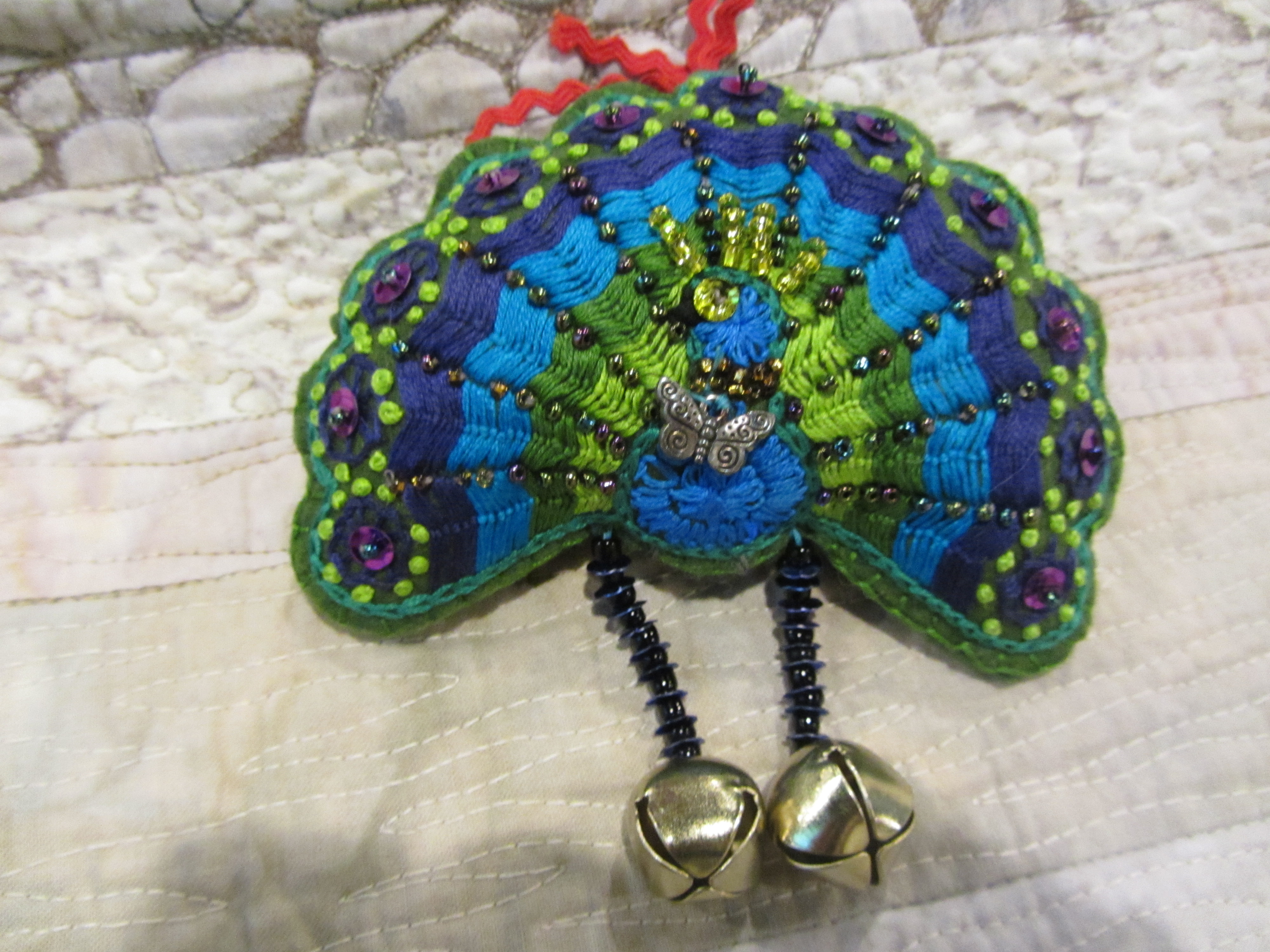
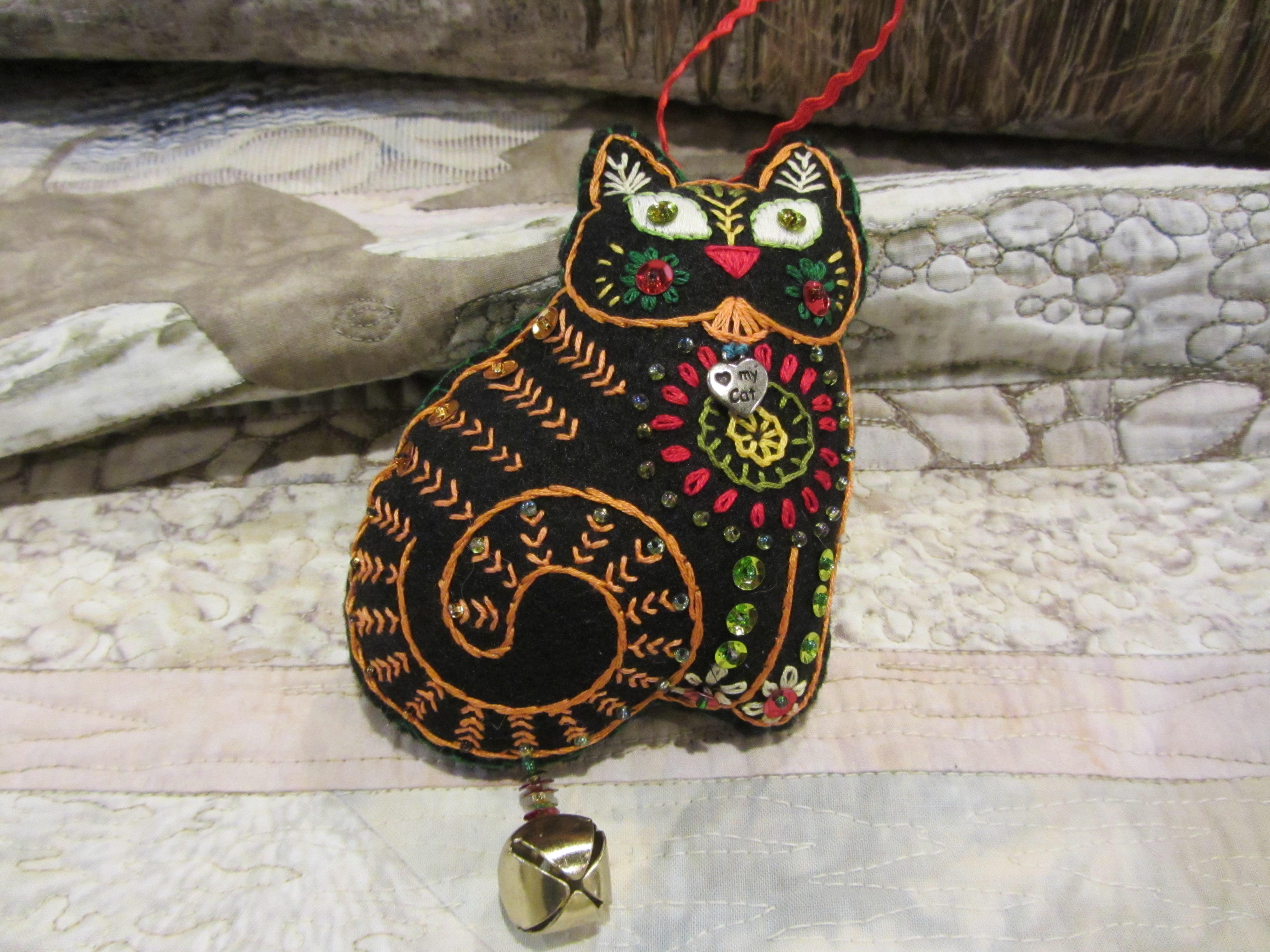
    One of the things I love about teaching this class is the way my students interpret their own embroidery styles, I see them combining and applying stitches that I would not have thought of  and even when they opt to try and simply copy one of my arrangements, there is a uniqueness to each one.  I have posted pictures of my own ornaments in the recent past, now I want to show you a variety of ornaments embroidered by my students.

    And speaking of classes – it breaks my heart to cancel a class. Not only does it not benefit me financially but it also is a disappointment to the student(s) who bought their materials and eagerly anticipated the class. Though I try hard to hold a class even for few students, there is a break point where I cannot in good business practice do so. I recently had to cancel an all day class for one where I would have been paid about $30 but the IRS mileage calculation would have been $32, a big red flag to the IRS when business expenses exceed revenues. I do what I can to promote the classes and rely on the shops who see customers face to face to promote them as well but class attendance is down across the board for many other teachers as well as myself. If you have signed up for a class that you really want to take, please reach out to your quilting friends and suggest they register as well, we teachers will often teach for a small group but we just can’t afford to run our businesses at a loss – I haven’t had much luck convincing my bank to take embroidered ornaments in trade for the mortgage payment. By bringing along a friend or two, you may insure that the class you want will actually take place.


    Cindi's Peacock
    Cindi's Peacock
    Cindi's Cat #1
    Cindi's Cat #1
    Cindi's Cat #2
    Cindi's Cat #2
    Cindi's Elephant
    Cindi's Elephant
    Cristina's Cat - this one reminds me of the exquisite painted folk art animal carvings from Mexico
    Cristina's Cat - this one reminds me of the exquisite painted folk art animal carvings from Mexico
    Ardie's Elephant
    Ardie's Elephant
    Beautiful birds
    Beautiful birds
    A virtual flock of birds
    A virtual flock of birds
    Tinkle Toes Peacock
    Tinkle Toes Peacock
    Nice Kitty!
    Nice Kitty!
    Linda's Bird
    Linda's Bird
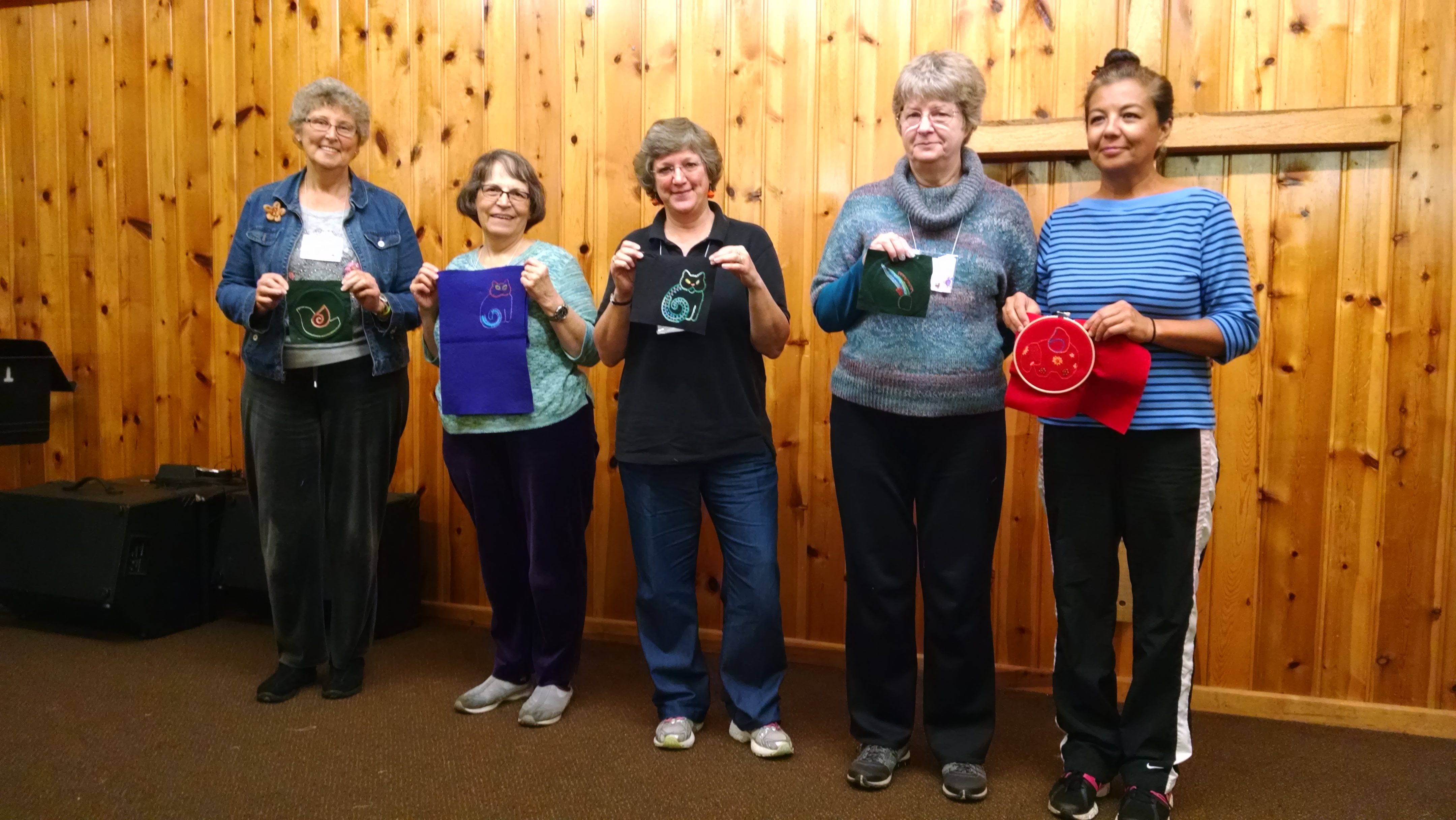
    Ocean Waves Quilt Camp 2015 - Hard to see details and they aren't done yet but I hope to see finished ornaments at the 2016 OWQC
    Ocean Waves Quilt Camp 2015 - Hard to see details and they aren't done yet but I hope to see finished ornaments at the 2016 OWQC
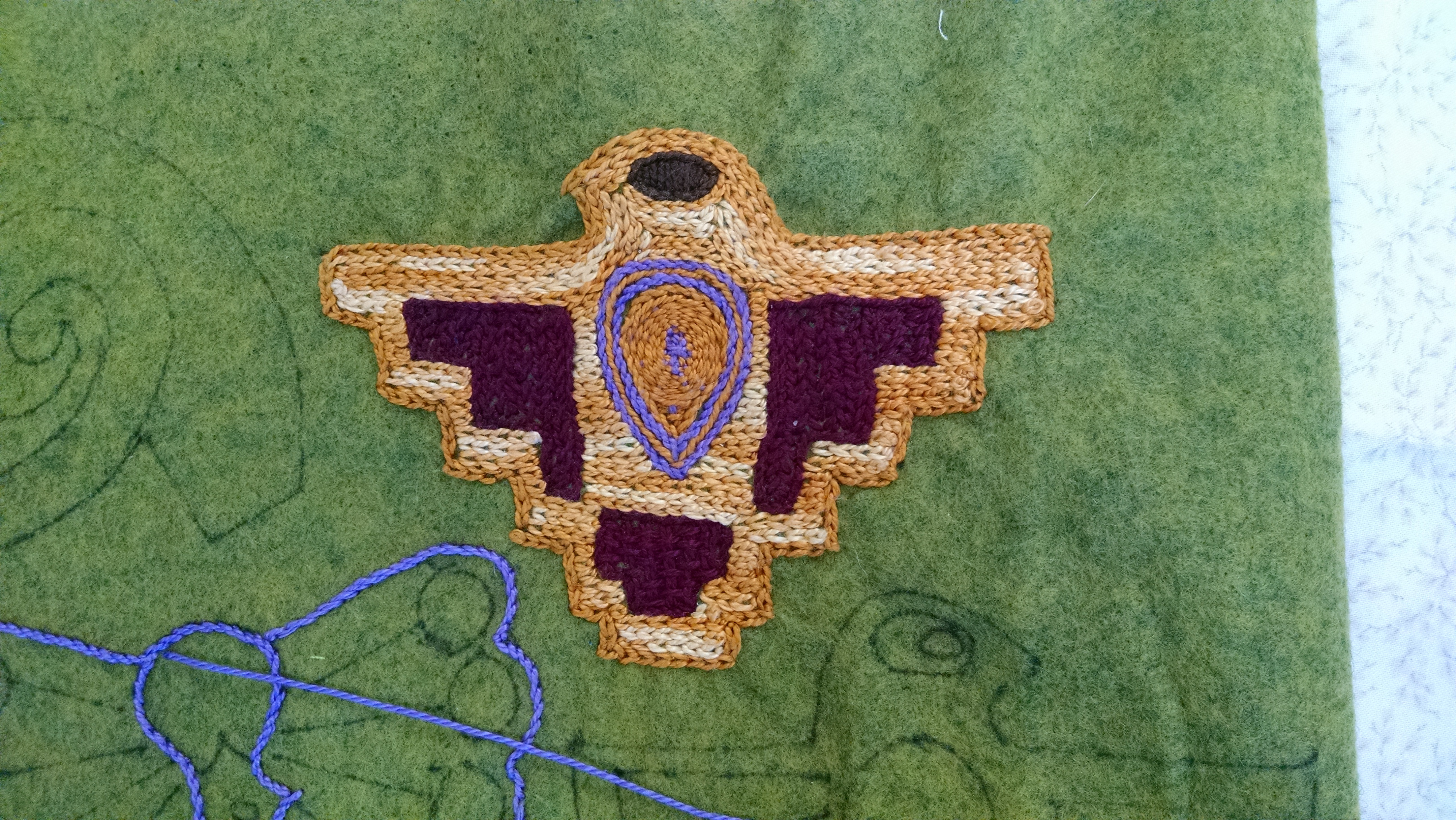
    Jane's Thunderbird - notice how thoroughly she has covered the area with stitches, it looks like a tapestry.
    Jane's Thunderbird - notice how thoroughly she has covered the area with stitches, it looks like a tapestry.
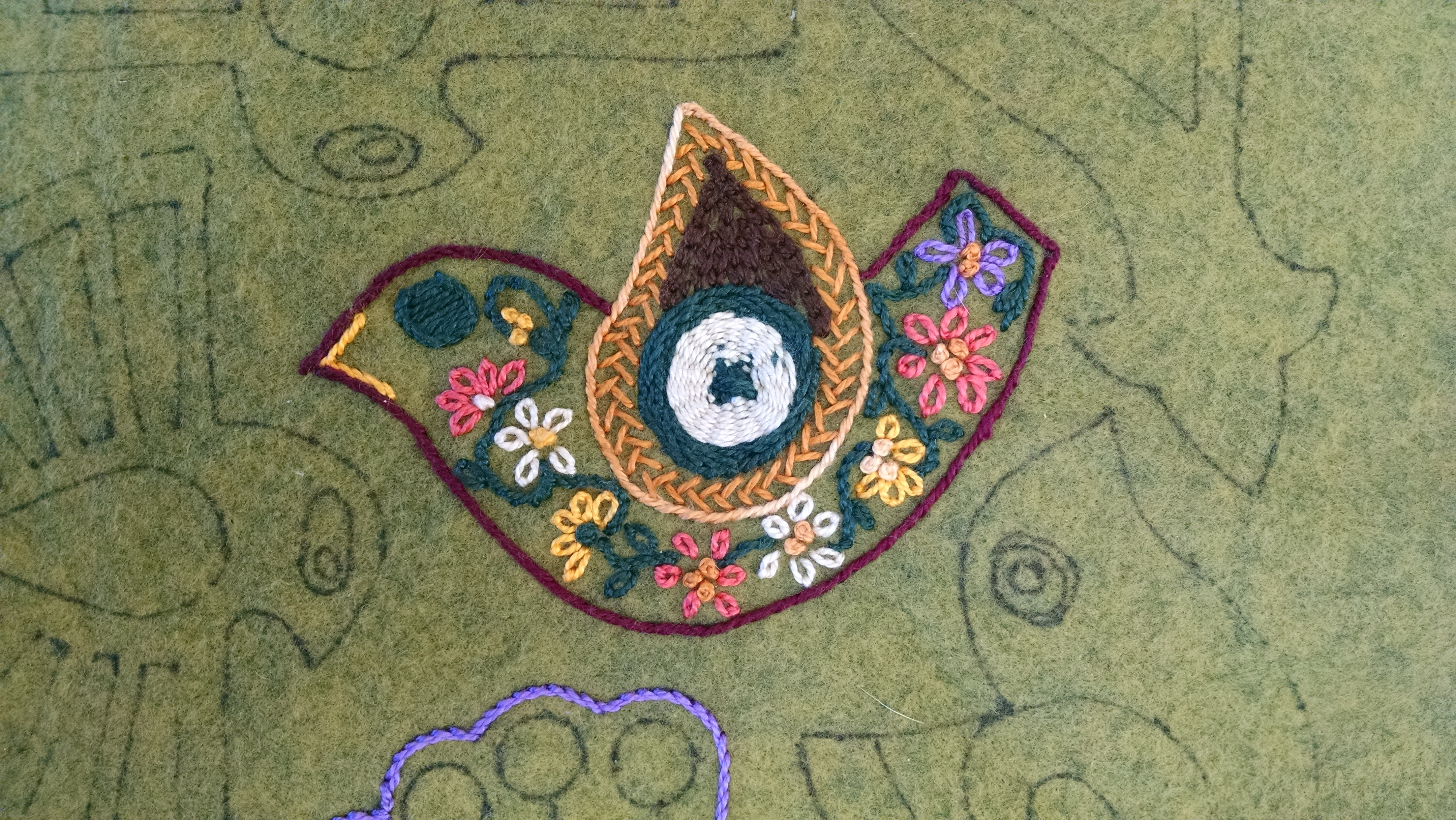
    Jane's Flying Bird - I LOVE the floral vine she stitched into the body, very unique.
    Jane's Flying Bird - I LOVE the floral vine she stitched into the body, very unique.


  • Look at all the Butterflies!

    As usual, I should have posted this sooner but I am trying to get better about this – honest!

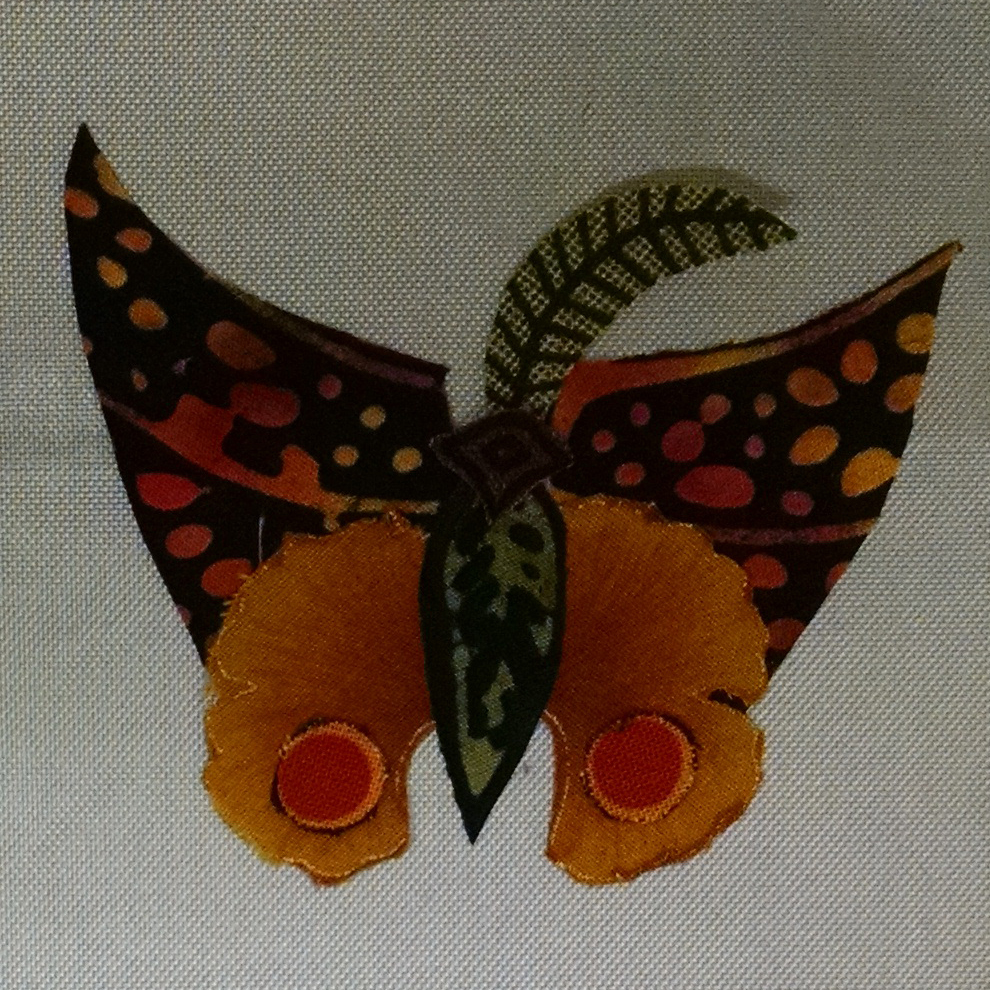
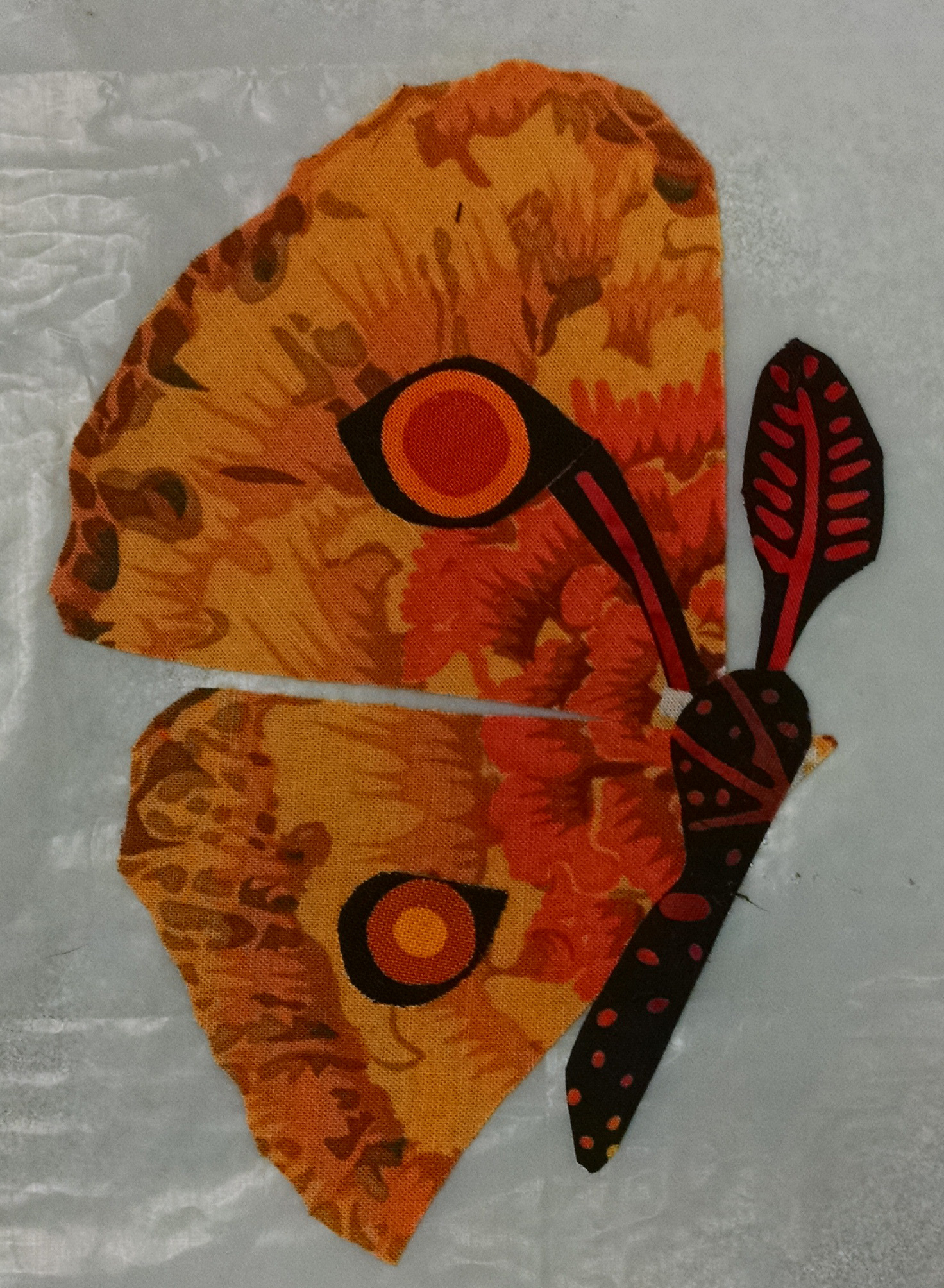
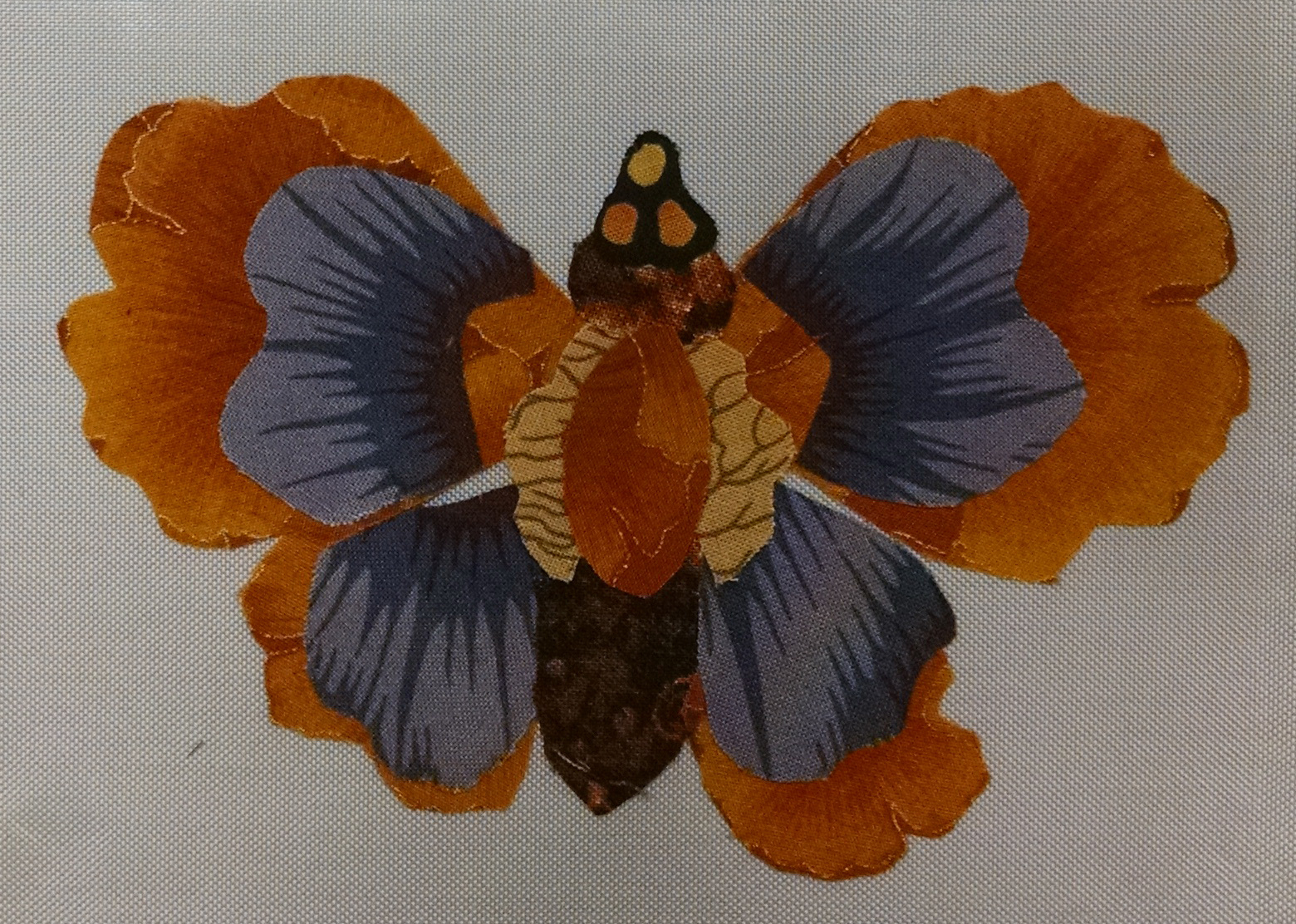
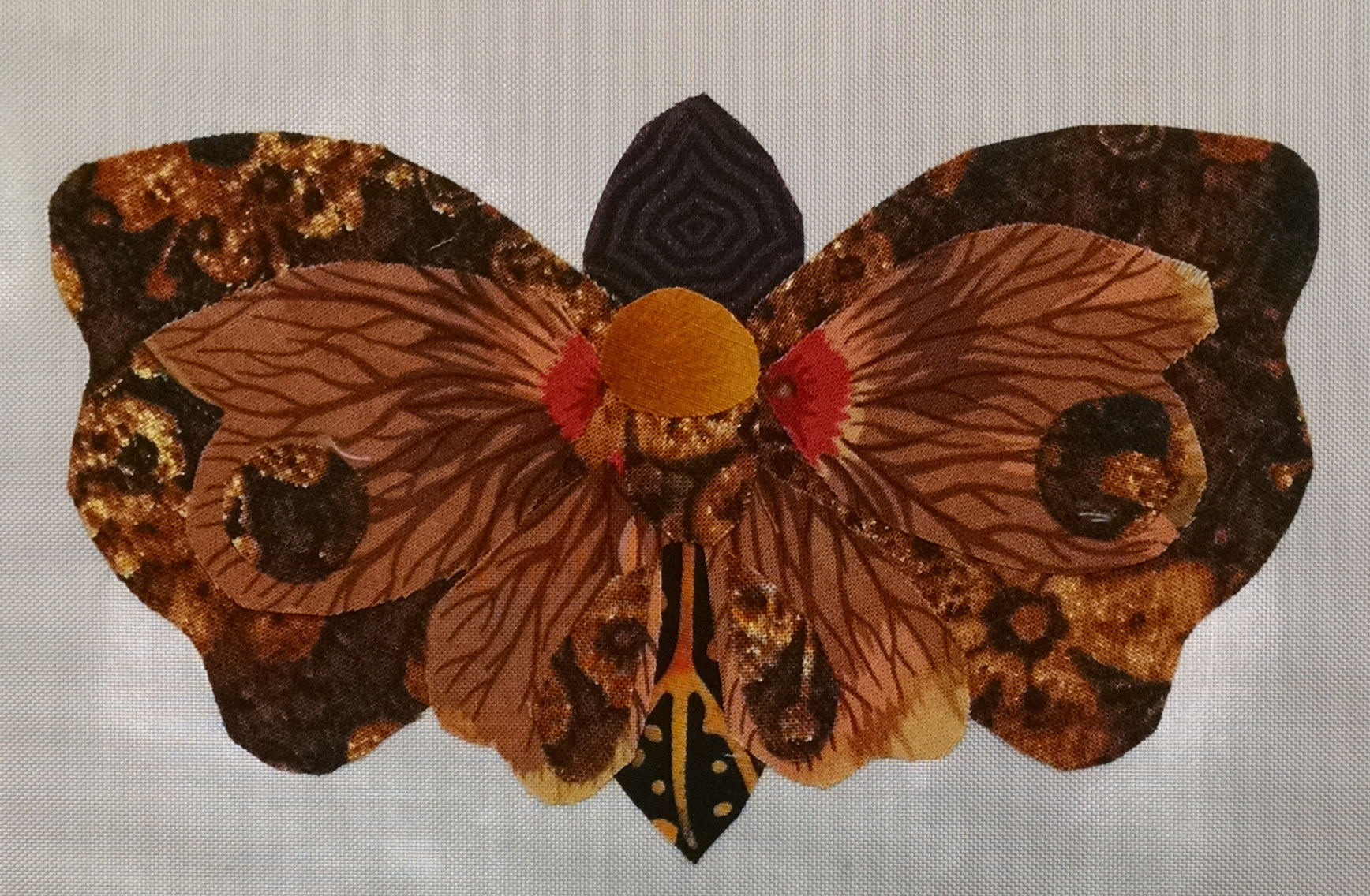
    A couple of weeks ago, I taught several classes at the NW Quilting Expo (it’s over for this year but be sure to check back with them next year). Among the classes I taught was one of creating fantasy butterflies by collaging them from fussy-cut prints. I have seen this method carried out to incredible detail by a number of high profile quilters and fiber artists but this project was fairly simple and a nice introduction to working with fabric prints in an easy improvisational way.

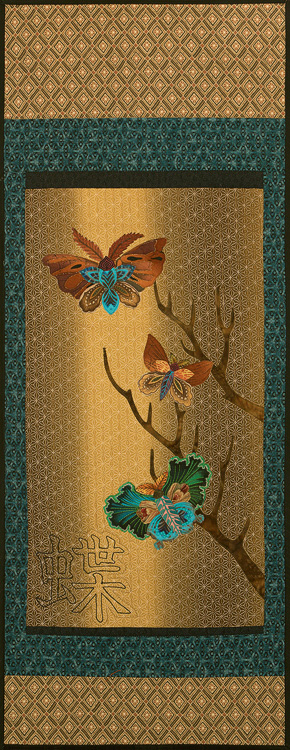
    This quilt is formatted in the style of traditional Japanese Art scrolls.
    This quilt is formatted in the style of traditional Japanese Art scrolls.

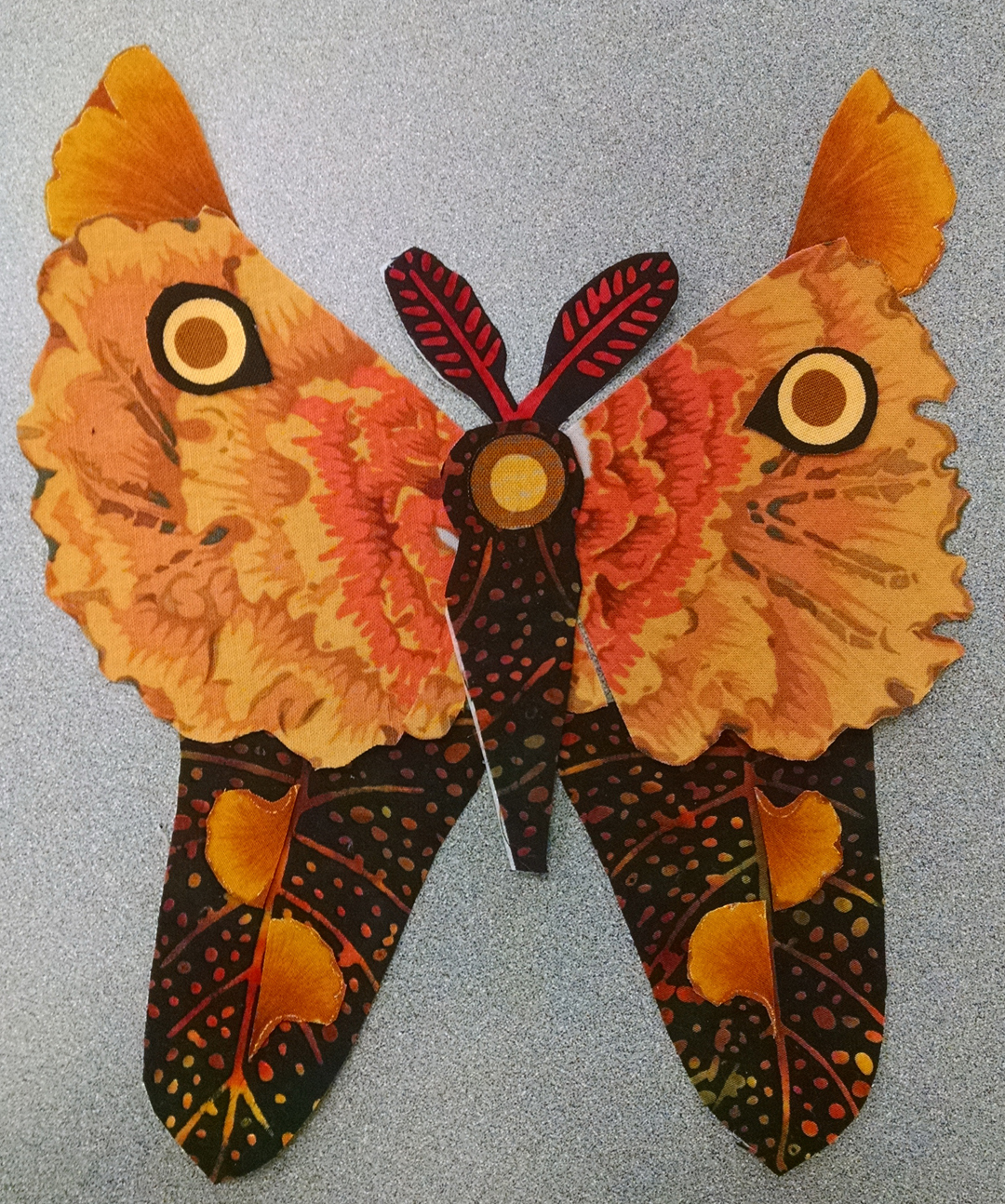
    My initial sample is shown below at the right followed by examples of the butterflies created by my students. Their butterflies are not complete but have been fused to Teflon pressing sheets for later use in a project. In some cases, the butterflies themselves are not quite finished,  some are missing their eyelashes but you can see the clever variations they came up with.

    Flutterby-09-EXPO2015Flutterby-01-EXPO2015Flutterby-08-EXPO2015
    Flutterby-06-EXPO2015Flutterby-05-EXPO2015Flutterby-04-EXPO2015
    Flutterby-02-EXPO2015Flutterby-07-EXPO2015Flutterby-03-EXPO2015


  • Sashiko in Tillamook

    In a couple of weeks I will be in Tillamook again teaching at the Latimer Quilt and Textile Center. This time I will give a class on Sashiko – Japanese hand stitching that is a cross between embroidery and quilting. Like quilting, it is a running stitch often stitched through one or more layers of fabric but the stitches are larger and rendered in thicker thread. The prominent stitches coupled with the lack of batting between the layers, place it closer to the realm of embroidery.

    Sashiko is considered a rustic ‘folk art’ as opposed to the elegant Japanese silk embroidery that might grace a precious Kimono or silk panel. As a folk art , Indigo fabric with white or off-white thread is traditional. Indigo is easily grown in many climates and is a common natural dye making it accessible and affordable to all. Sometimes you might see a natural color fabric with Indigo thread though these days anything goes and Sashiko thread and fabrics come in many colors.

    Sashiko fabric, typically made of cotton (sometimes a blend of cotton and linen), is a looser and coarser weave than domestic quilting cottons making it easier to stitch with the large needles and threads used in the stitchery. You will not usually find it in regular quilt or fabric stores. Two good sources are: One World Fabrics and Shibori Dragon. One World Fabrics is online only (though local to Portland) while Shibori Dragon sells online but also has a retail store up near Tacoma WA. You will also find an assortment of Sashiko thread and needles at both shops.

    Of course, you can stitch Sashiko on any fabric that you can get the needle and thread through hence my samples shown below of Japanese Yarn Dye fabrics. I have also stitched on Linen and denim (though denim is hard to pull the needle through) as well as a variety of domestic cotton fabrics. The thread can also be substituted if you cannot find authentic Sashiko thread. I find Floche (made by DMC) is a very acceptable substitute but I have also used linen thread, wool thread and even Pearl Cotton. Pearl cotton is rejected by many ‘purists’ as it has a distinctly visible twist. Susan Briscoe (author of a number of books on Sashiko) advises against using it. Speaking of Susan Briscoe, of the numerous books she has written on the subject of Japanese quilting my favorite is The Ultimate Sashiko Sourcebook. It lives up to its name as being the ultimate book on that topic.

    The Sashiko class is scheduled for Tuesday October 20 from 10-4 at the Latimer Textile Center. The following day (Wednesday) I will be teaching a Thread Painting class there as well, but more on that in a future post.

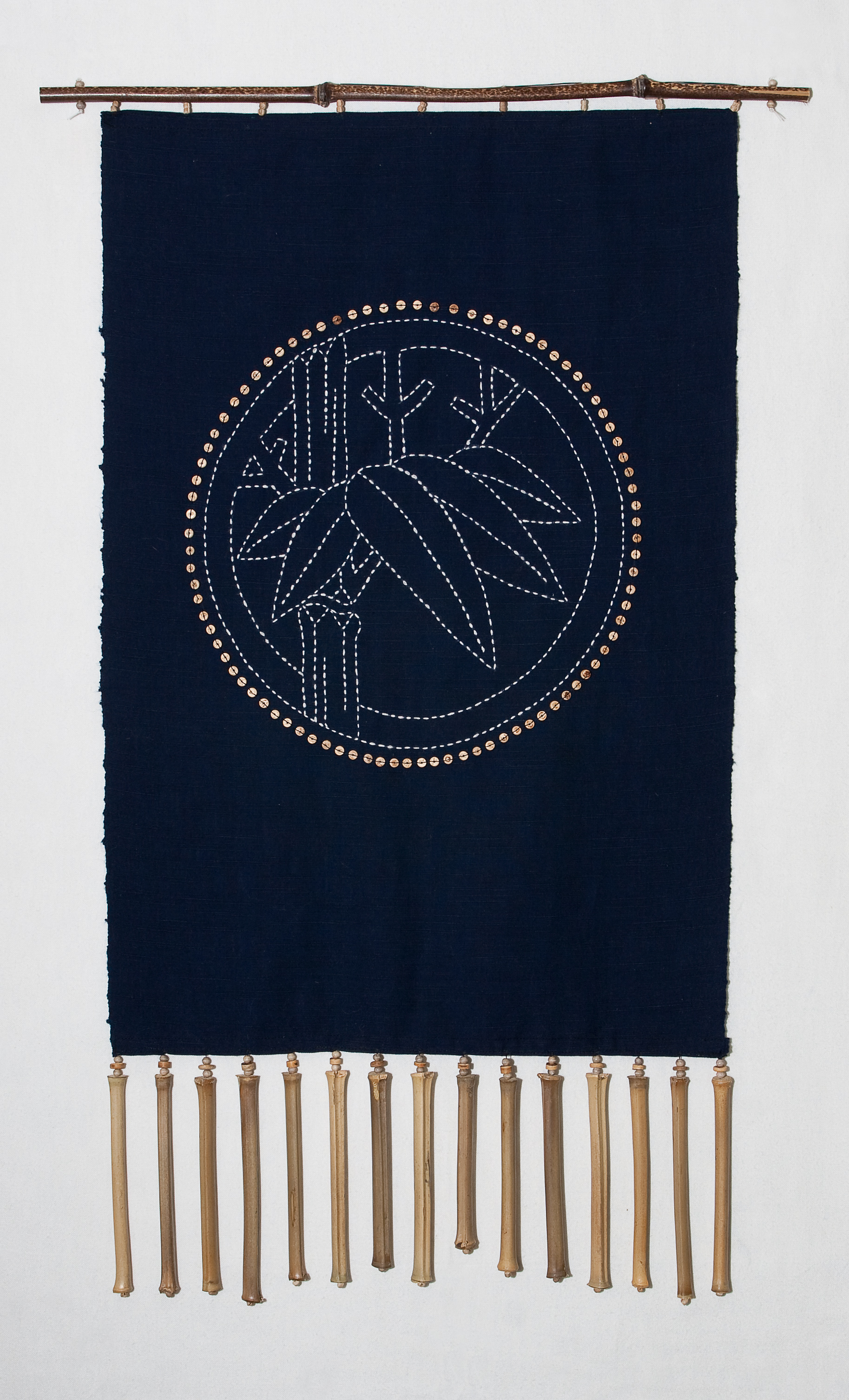
    This panel is based on the concept of Noren (short curtains hung in doorways in Japan), The fabric is antique Japanese Indigo 14" wide and has bamboo segments hung along bottom edge as wind chimes.
    This panel is based on the concept of Noren (short curtains hung in doorways in Japan), The fabric is antique Japanese Indigo 14" wide and has bamboo segments hung along bottom edge as wind chimes.
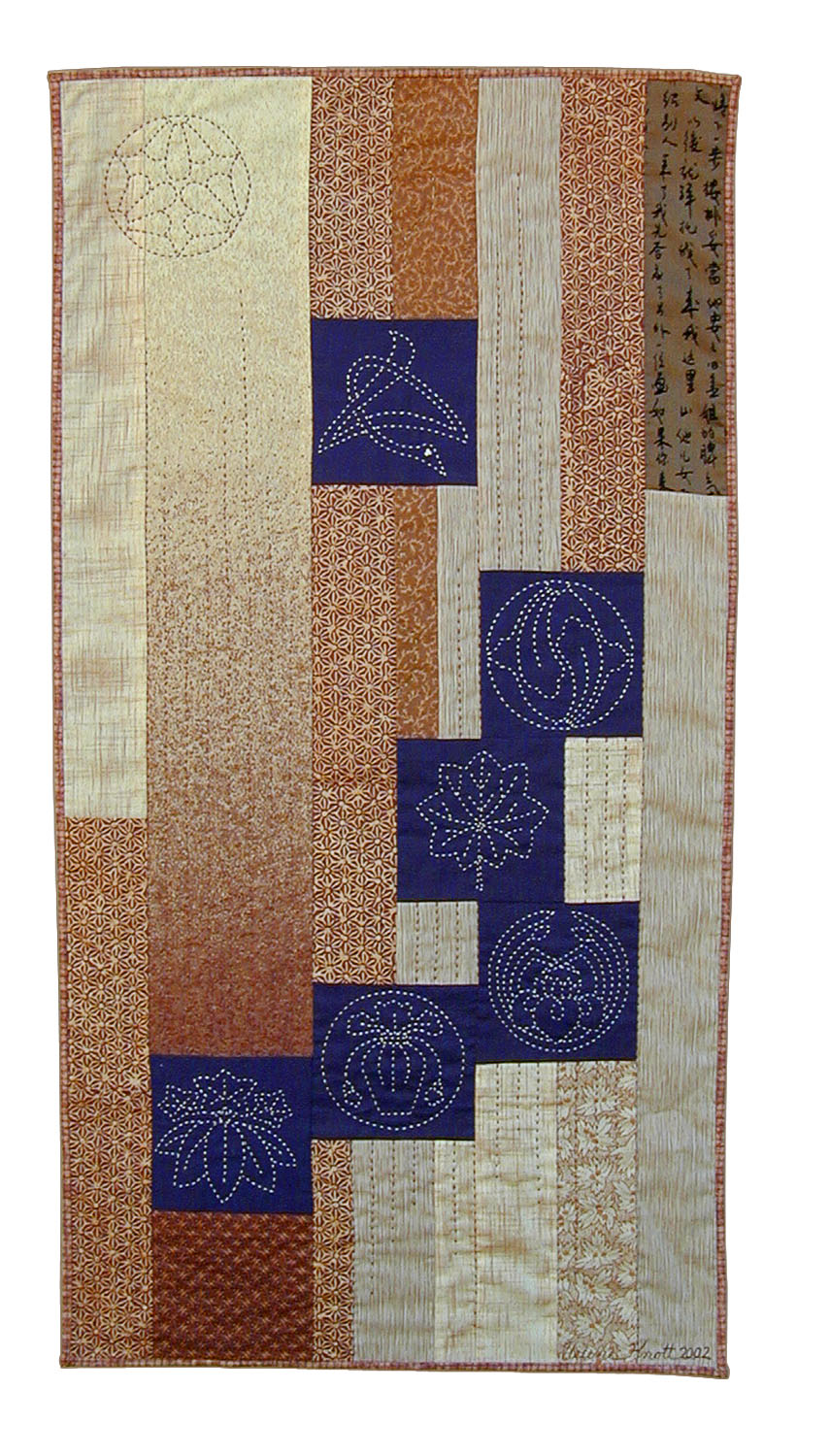
    A pieced sampler of Komon (clan crest) designs
    A pieced sampler of Komon (clan crest) designs
    A contemporary approach to Sashiko. The title - Naruto Maelstrom refers to the Naruto River in Japan that features awe inspiring whirlpools
    A contemporary approach to Sashiko. The title - Naruto Maelstrom refers to the Naruto River in Japan that features awe inspiring whirlpools
    Sashiko is often used to decorate utilitarian objects such as this drawstring pouch
    Sashiko is often used to decorate utilitarian objects such as this drawstring pouch
    Hexagon sampler featuring a variety of traditional Sashiko patterns and Komon
    Hexagon sampler featuring a variety of traditional Sashiko patterns and Komon
    Circle Umi (plum blossom) motif stitched onto Taupe Yarn-dye fabric
    Circle Umi (plum blossom) motif stitched onto Taupe Yarn-dye fabric
    Sashiko coaster decorated with a Flax Flower design
    Sashiko coaster decorated with a Flax Flower design
    Circle motif of Take (bamboo) stitched on Taupe Yarn-dye fabric
    Circle motif of Take (bamboo) stitched on Taupe Yarn-dye fabric
    Sashiko coaster featuring a Komon design
    Sashiko coaster featuring a Komon design
    Circle Motif - Matsu (pine tree) stitched on Taupe Yarn-dye fabric
    Circle Motif - Matsu (pine tree) stitched on Taupe Yarn-dye fabric